
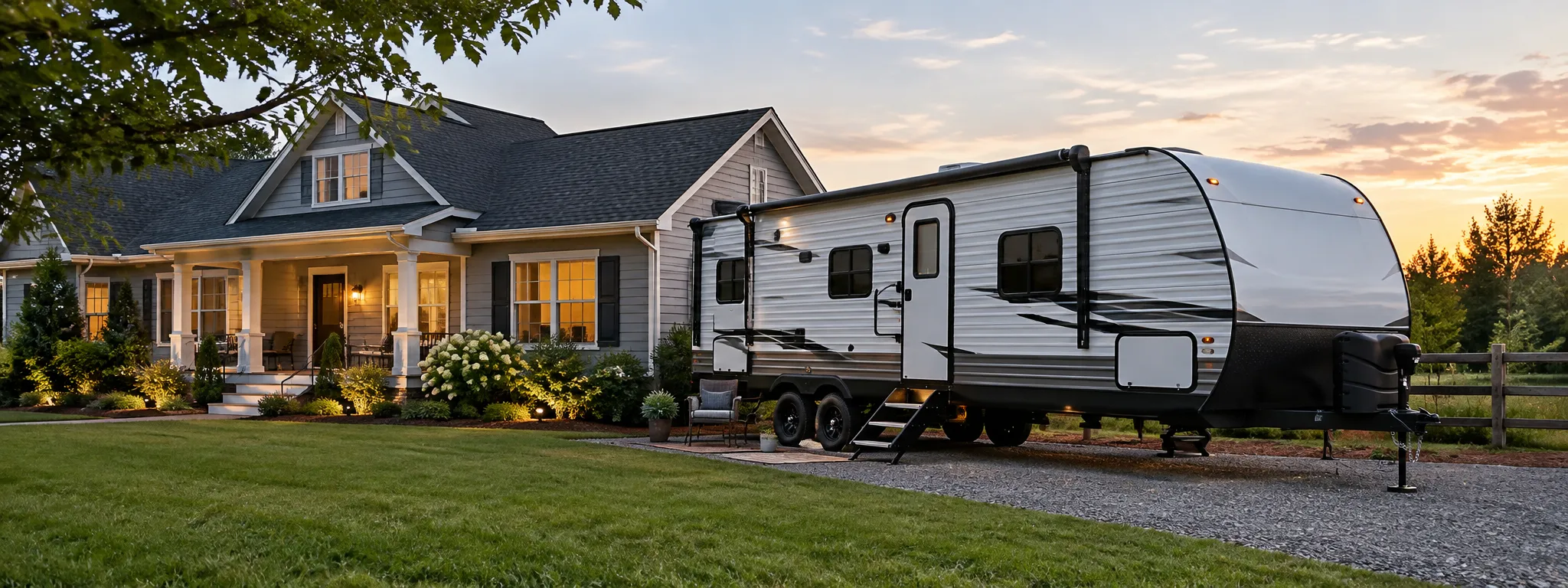
When a fire, burst pipe, water leak, or other unexpected disaster makes your home unlivable, finding a comfortable place to stay becomes a top priority. And when it happens during the winter months, that challenge can become even more stressful.
For homeowners and families in Massachusetts, temporary housing during the winter doesn't always have to mean a hotel or a long-term apartment rental. Depending on the property, weather conditions, and available utilities, a delivered RV may offer another option while your home is being repaired.
At Hideaway RV Rentals, we help families explore temporary RV housing solutions when unexpected home damage leaves them displaced.
Why Winter Home Damage Can Create an Urgent Housing Need
Winter in New England can be unpredictable. Freezing temperatures, burst pipes, heating failures, ice damage, and winter storms can all lead to situations where a home is temporarily unsafe or unlivable.
Even a relatively small incident can require extensive repairs. Water damage may require walls and flooring to be removed, while fire or smoke damage can make a home unsuitable for occupancy for weeks or months.
During that time, families still need a place to sleep, cook, get ready for work, care for their children, and maintain some sense of normalcy.
Finding temporary housing that works for the entire family can be difficult, especially when pets, school schedules, work commutes, and extended repair timelines are involved.
Could an RV Be a Temporary Housing Solution in the Winter?
Many people associate RV rentals with summer vacations and camping trips, but a travel trailer may also serve as temporary housing during certain winter situations.
Depending on the unit and placement location, an RV can provide:
- A private living space: Your own sleeping areas, bathroom, and living space instead of sharing a hotel room.
- A kitchen: Prepare meals and maintain some of your normal daily routines.
- Multiple sleeping arrangements: Some floor plans offer separate bedrooms or additional sleeping areas for families.
- A convenient location: When the property allows, an RV may be placed close to your home while repairs are underway.
- A more familiar environment: Having a separate living space can make a difficult temporary situation feel a little more manageable.
For families who need more than a few nights of lodging, these features may make an RV worth considering.
What About Renting an RV During a Massachusetts Winter?
This is an important consideration, and one that should never be overlooked.
Not every RV is suitable for every winter placement. Freezing temperatures can affect plumbing systems, water lines, holding tanks, and other components. A successful winter placement requires careful planning.
Before arranging a winter RV rental, several things need to be considered:
1. Water and sewer access
A suitable water and sewer setup is especially important during colder weather. Depending on temperatures and the property, traditional hookups may not be practical or may require additional precautions. The available setup needs to be evaluated before placement.
2. Electrical service and heating
The RV needs an appropriate electrical connection and a heating setup suitable for the expected conditions. Electrical capacity, heating requirements, and safe operation should all be reviewed.
3. The placement location
The property must have enough room and suitable access for delivery and setup. Driveway conditions, snow, ice, overhead clearance, and the location of utility connections all matter.
4. The RV itself
Different campers have different insulation, plumbing, heating, and winter-use capabilities. The right unit must be selected based on the conditions and the length of the stay.
At Hideaway RV Rentals, winter placements are evaluated individually. We want to make sure the camper, location, and available utilities are appropriate before making arrangements.
Can Homeowners Insurance Help Pay for Temporary RV Housing?
If your home becomes unlivable because of a covered incident, your homeowners insurance policy may include Additional Living Expenses (ALE) coverage, sometimes called Loss of Use coverage.
Depending on your policy, ALE may help cover certain additional costs associated with temporary housing while your home is being repaired.
This is why it's worth asking your insurance adjuster whether a temporary RV rental could be considered as part of your housing arrangements.
A few important things to remember:
- Every insurance policy is different.
- Coverage may have specific dollar limits and time restrictions.
- Your insurance company must determine whether the proposed housing arrangement is eligible.
- You should obtain approval and understand the payment arrangements before committing to a rental.
An RV is not automatically covered simply because your home is unlivable. Always speak with your insurance company or adjuster first.
Why Consider a Delivered RV Instead of a Traditional Rental?
When your home has been damaged, the last thing you need is another complicated moving process.
A delivered RV can offer a convenient alternative when the property and circumstances are suitable. Rather than finding a place to stay far from home, you may be able to remain close to your property, neighborhood, work, and school.
For some families, that convenience can make a difficult period a little easier.
RV floor plans also vary, which means there may be options for couples, smaller families, or larger households depending on availability.
How Hideaway RV Rentals Can Help
Hideaway RV Rentals is based in the Webster and Dudley, Massachusetts area and serves surrounding communities.
We offer travel trailer rentals and can explore temporary housing arrangements for homeowners who have been displaced due to unexpected property damage.
Depending on availability and placement conditions, we can help with:
- Finding a camper with a floor plan that fits your household.
- Discussing potential placement at a residential property or approved campground.
- Reviewing delivery access and utility requirements.
- Exploring rental arrangements for the expected repair timeline.
- Providing rental information that can be shared with your insurance adjuster.
Every situation is different, especially during the winter. We will work with you to determine whether an RV placement is a practical option for your circumstances.
Need Temporary Housing This Winter?
If a fire, water damage, burst pipe, or another unexpected event has left your home unlivable, you don't have to figure out every housing option on your own.
Contact Hideaway RV Rentals to discuss your temporary housing needs. We can review your situation, discuss available campers, and help determine whether a winter RV placement may be possible.